
Chimney FYI
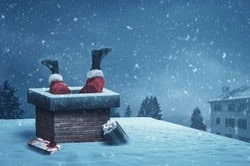
Santa makes it look easy, but chimneys work hard all season.
A quick inspection can help prevent holiday surprises.
Why Chimney Inspections Matter During a Home Inspection
When inspecting a home, it’s easy to focus on what’s most visible-roofing, walls, floors, and major systems. Chimneys, however, deserve just as much attention. Because they handle high heat, combustion gases, and constant exposure to the elements, chimneys can hide serious issues that aren’t obvious at a glance. That’s why a chimney inspection is an important part of a professional home inspection.
Fire Safety Is a Primary Concern
Chimneys are designed to safely vent heat and smoke from fireplaces, wood stoves, and fuel-burning appliances. Over time, creosote can build up inside the flue. This flammable residue is a leading cause of chimney fires. During any home inspection, if a wood burning fireplace, stove, or solid fuel burning appliance is identified, it will be recommended for the flu to be cleaned and re-examined by a fireplace technician. When unsafe conditions are identified, Biff will recommend a licensed professional to take a look so they can be addressed before they become a safety hazard.
Carbon Monoxide Risks Can Go Unnoticed
A chimney that is blocked, damaged, or drafting improperly can cause dangerous gases to back up into the home. Carbon monoxide is especially concerning because it is odorless and invisible. Common issues include debris buildup, animal nesting, deteriorated liners, or structural collapse within the flue. Inspecting the chimney helps confirm that exhaust gases are being vented safely to the exterior.
Chimney Structure Matters
Chimneys are exposed to weather year-round. Freeze-thaw cycles, moisture, and age can lead to cracked bricks, failing mortar joints, chimney separation, or leaning. These issues can affect not only the chimney but also the roof and surrounding structure. A professional inspection documents visible structural concerns and helps homeowners understand when repairs or further evaluation are needed.
Moisture Intrusion Is a Common Finding
Water is one of the most damaging forces to a chimney system. Missing or damaged caps, deteriorated crowns, and failing flashing allow moisture to enter. Over time, this can cause interior damage, rusted components, and mold growth. During a home inspection, moisture-related chimney defects are noted so review and repairs can be made by a licensed professional before further damage occurs.
Important During Real Estate Transactions
Chimney issues often raise red flags during a home sale. Identifying problems early helps buyers make informed decisions and gives sellers the opportunity to address concerns ahead of negotiations. A clear, well-documented inspection report provides transparency and helps prevent last-minute surprises.
Protecting the Home and the Investment
Minor chimney issues are much easier and less expensive to correct than major structural failures or fire damage. Regular inspections help extend the life of the chimney system and reduce long-term repair costs. From a safety and investment standpoint, chimney inspections are simply smart homeownership.
The Bottom Line
A chimney may look solid from the outside, but hidden defects can pose serious risks. Including the chimney and a professional home inspection helps protect occupants, preserve the home’s value, and provide peace of mind. At Biffs Professional Home Inspections, chimney conditions are evaluated carefully so homeowners have clear, reliable information they can trust.